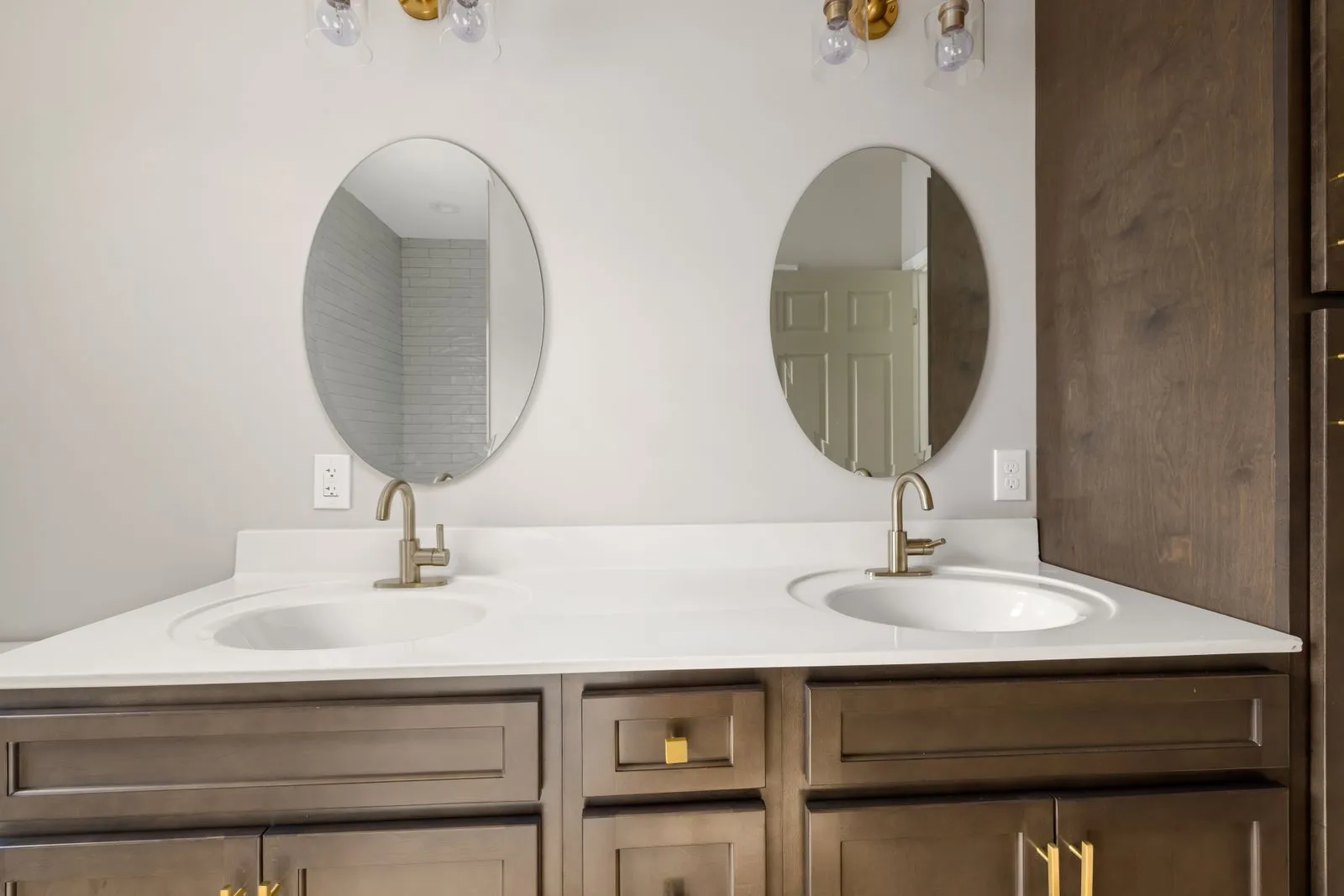
The right vanity cabinet can make a bathroom easier to use and help the room feel more considered. Start by checking how much space you have, what you need to store, and how the cabinet will handle moisture and everyday wear. Then compare materials, finishes, and hardware with your bathroom’s style and cleaning routine in mind. A few careful measurements and clear priorities can help you narrow the options before you choose a cabinet.
Measure the Room and Plan the Fit
Measure the available wall space, then note the locations of doors, drawers, plumbing, outlets, and nearby fixtures. Check how far the bathroom door swings and leave enough room to move comfortably in front of the vanity. Measure the depth as well as the width; a cabinet that fits the wall may still make a narrow walkway feel cramped.
Choose a height that feels comfortable for the people who use the sink most. Standard sizes can simplify selection, but a custom cabinet may make better use of an unusual alcove or tight layout. Before ordering, confirm the sink and countertop dimensions, faucet placement, and whether the cabinet needs cutouts for existing plumbing.
Match Storage to Your Routine
Think about what belongs near the sink: toiletries, cleaning supplies, towels, or hair tools. Drawers make smaller items easier to sort and reach, while cabinet doors can accommodate taller bottles or larger supplies. A combination of both often works well when several people share the bathroom.
Look beyond the number of compartments. Check drawer depth, usable interior width, and whether plumbing will reduce storage space. Pull-out trays or organizers can help keep everyday items visible, but leave room for pipes and shutoff valves. If you store electrical tools, plan where they can cool and stay dry.
Compare Materials and Finishes
Bathroom cabinets face splashes, humidity, and frequent cleaning, so ask what the cabinet box and doors are made from and how their edges are protected. Solid wood, plywood, and engineered panels each have different construction and care needs. Good assembly and a suitable protective coating matter alongside the material itself.
Choose a finish that suits both the room and your upkeep preferences. Painted surfaces offer a wide range of colors; wood finishes show natural grain, with variation from piece to piece. Glossy finishes may reflect more light, while matte surfaces create a softer look. Ask how to clean the finish and whether it needs special care.
Choose Hardware That Works
Knobs and pulls affect how the vanity looks and feels to use. Try the shape and size in person when possible, especially if anyone in the household has limited grip strength. Longer pulls can be easier to hold, while simple shapes tend to be straightforward to wipe clean.
Coordinate hardware with faucets, lighting, and other bathroom details without requiring every metal finish to match exactly. Confirm that the hardware suits the cabinet’s door and drawer thickness, and check whether it is included. For a cohesive result, choose a finish and shape that complement the cabinet rather than compete with it.
A successful vanity cabinet fits the room, stores what you use, and stands up to bathroom conditions. Measure carefully, compare construction and finish details, and choose hardware that feels comfortable in daily use. If you’re weighing custom dimensions or storage options, Omaha Vanity Works can help you explore a cabinet that suits your space.